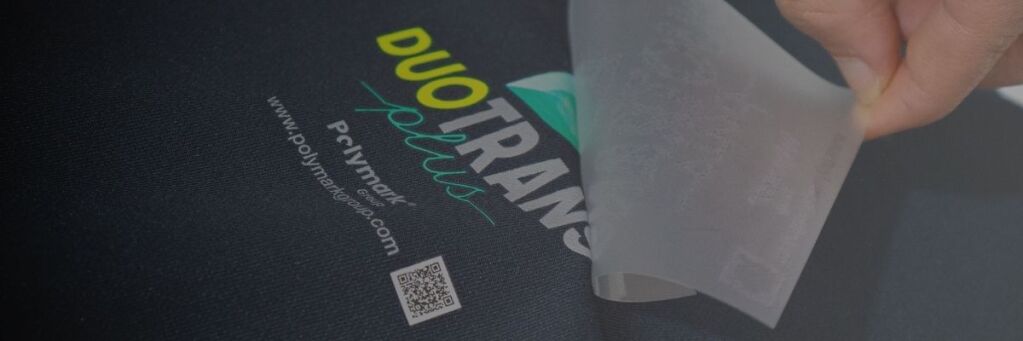
Transfer ordering has never been faster or more accessible. That is useful, for the right applications. But somewhere in that speed, a question is increasingly being skipped: does this transfer actually fit what the garment needs to do?
This note is about that question. It covers four topics: from artwork and application to construction and safety standards.
The artwork is a logical starting point. It defines size, colours, detail and finish. But it does not define suitability. The same logo can require a completely different transfer on a different garment, because the difference is not in the design file. It is in the textile, the wash process, the use environment and what the garment is expected to withstand over time.
A good transfer choice starts with practical information about the application.
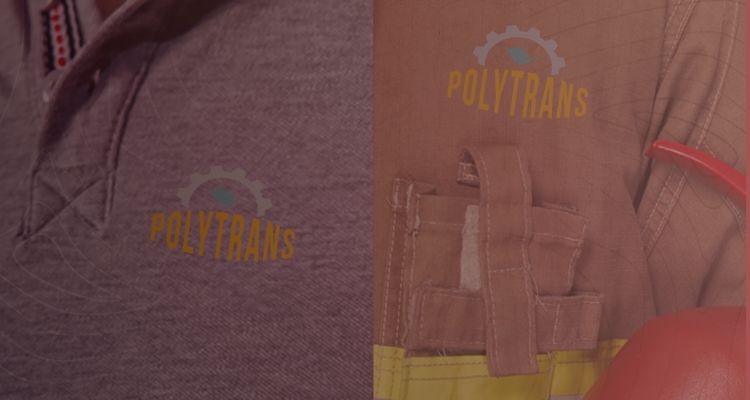
These questions determine which transfer construction is suitable. They also help prevent over-specifying or under-specifying the solution. Not every application needs the same level of technical performance. For promotional garments, short-term use or applications where speed, flexibility and cost-efficiency are the main priorities, standard DTF can be a logical choice.
But when garments need to withstand repeated washing, stretch, abrasion, industrial laundering or specific safety requirements, the transfer choice needs to be evaluated differently.
The point is not to choose the most technical solution by default. The point is to choose the solution that fits the application.
Two transfers can look almost the same when they are first applied. But the visible result is only one part of the story.
Depending on the application, a transfer may be built from several functional layers. An adhesive system helps the transfer bond to the textile. A blocker can prevent the fabric colour from affecting the logo. Colour layers determine the visual result. Finish layers influence the look and feel. For more demanding applications, additional protective layers may be needed.
This is why transfers are not always easy to compare at first sight. A transfer that is perfectly suitable for one application may not be suitable for another, even if the logo looks similar when applied.
In those cases, the question is not only what the transfer looks like. The question is what it needs to keep doing during the life of the garment.
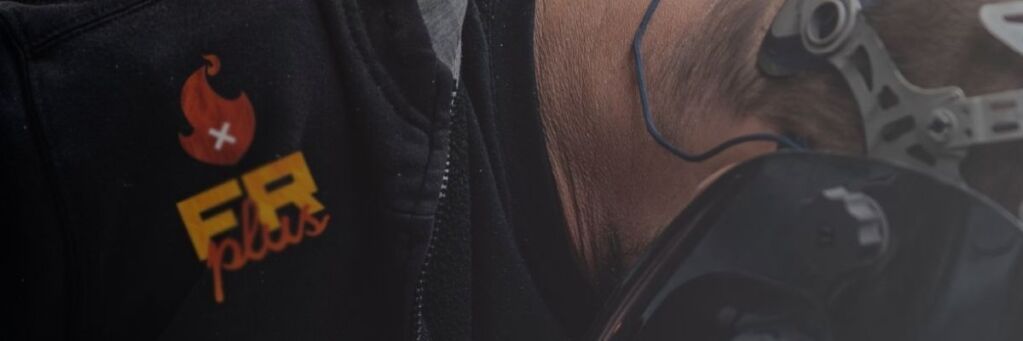
In most applications, the right transfer choice is about appearance, durability and use. In safety-related garments, there is an additional question: how does the decoration affect the garment as a whole?
Where standards such as EN ISO 11611 or EN ISO 20471 apply, the transfer, the fabric and the final garment construction need to be considered together.
A garment can be FR-certified. A transfer can be FR-tested. But unless the specific combination has been evaluated together, compliance of that combination cannot be assumed. In practice, the specific garment-transfer combination may need to be evaluated or tested. For official certification of that combination, an accredited laboratory is required.
That is why transfer choice should be discussed before production starts, especially for workwear and protective clothing where safety, visibility or compliance requirements apply.
In practice, the most complete transfer briefing includes more than the design file. It includes the garment, the fabric, the wash process, the use environment and any performance or safety requirements that apply.
That information does not just determine which transfer is suitable. It determines whether a standard solution is sufficient, or whether the application requires a construction that will still be performing over repeated wash cycles.
The industry has made ordering fast. It has not made specification easier. That gap is where decisions get made by default rather than by design. And where the difference between a good transfer choice and the wrong one becomes visible only after the garment is already in use.